How Small Accent Tables Can Elevate Your Living Space

When designing your home, every detail matters; from large furniture pieces to the smaller accents that tie everything together. Small accent tables are a perfect example of how functional and stylish decor can enhance your living space. Whether you live in a spacious home or a compact apartment, incorporating accent tables can provide both practicality and personality to your interiors.

Why Small Accent Tables?

Accent tables are often underestimated, but they play a crucial role in creating balance in a room. Here’s why they’re a must-have in any home:

  • Versatile & Functional – Small tables are perfect for holding everyday essentials like books, lamps, or coffee cups while also serving as decorative elements.
  • Space-Saving – Their compact size makes them ideal for small spaces, allowing you to add functionality without overwhelming the room.
  • Stylish Touch – Available in various materials and designs, accent tables can complement your existing furniture and introduce new textures or colors to your home.
  • Easily Moveable – Unlike larger furniture pieces, small tables can be easily rearranged, making them a flexible addition to any space.

Where to Use Accent Tables in Your Home

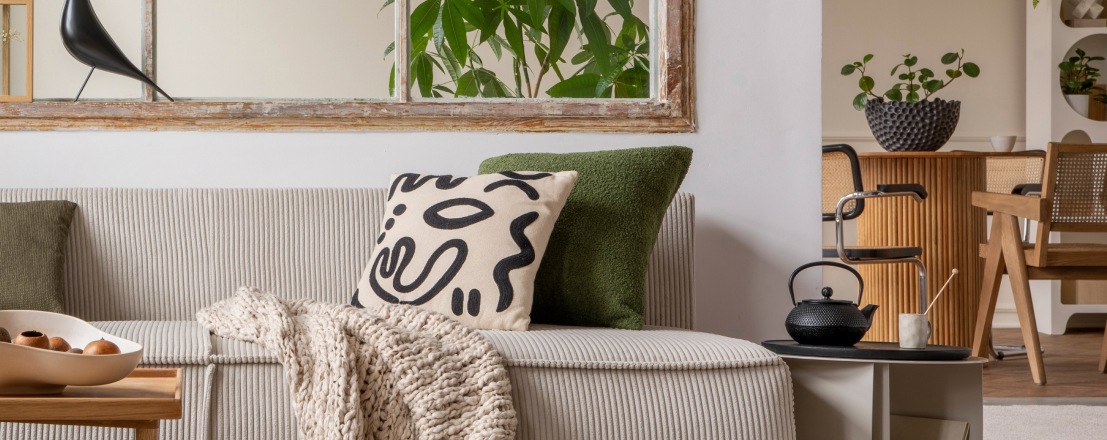
  1. Living Room: Place an accent table beside your sofa or between two chairs for added convenience and style. A chic marble or wooden table can bring warmth and sophistication to the space.
  2. Bedroom: Use a small table as a nightstand alternative, perfect for keeping a lamp, books, or a morning cup of coffee within reach.
  3. Entryway: Welcome guests with an elegant accent table in your hallway. Add a vase of fresh flowers or a decorative tray for keys to make the space feel inviting.
  4. Balcony or Outdoor Space: Weather-resistant accent tables are perfect for adding a cozy touch to your outdoor seating area, making them functional and stylish.

Choosing the Right Accent Table for Your Home

When selecting an accent table, consider the following:

  • Material – Wood, metal, glass, or marble? Choose a material that matches your aesthetic and lifestyle needs.
  • Shape – Round, square, or asymmetrical? The shape can influence the overall feel of the room.
  • Height & Proportion – Ensure the table complements the surrounding furniture for a harmonious look.
  • Storage Options – Some accent tables come with shelves or drawers, providing extra storage for a clutter-free space.

Small accent tables may be compact, but their impact on your home’s design is significant. At GAP Homes, we believe that the right details can transform a house into a home. Whether you’re looking for a statement piece or a practical addition to your space, investing in a well-chosen accent table can add both charm and functionality to your interiors.

Seasonal Storage Tips: How to Rotate Your Wardrobe Efficiently

As the warm Maltese Spring rolls in, it’s time to swap out those heavy winter clothes for lighter, breezier outfits. Seasonal wardrobe rotation not only keeps your wardrobe organised but also helps you make the most of your space and ensure your clothes remain in great condition. Here are the top 10 storage tips to consider this season:

1. Declutter Before You Store

Before packing away your winter wardrobe, take a moment to assess your clothes. If you haven’t worn an item all season or it no longer fits your style, consider donating or selling it. This helps free up space and keeps your collection fresh and relevant.

2. Clean Everything Before Storing

Ensure that all your winter clothing is washed or dry-cleaned before packing it away. Any dirt, sweat, or stains left untreated can set in over time and cause damage. A fresh start will also make unpacking next winter much easier!

3. Choose the Right Storage Solutions

Use vacuum-sealed bags for bulky items like jackets and coats to save space. For everyday winter clothes like sweaters and trousers, breathable fabric storage boxes or garment bags help protect against dust and humidity. Store them in a cool, dry place to prevent mold and mildew buildup.

4. Rotate by Accessibility

With warmer weather approaching, lightweight fabrics, short sleeves, and breathable outfits should take center stage in your wardrobe. Move your summer clothes to the most accessible shelves and hangers, while winter items can be placed in higher or less frequently accessed areas.

5. Organise by Category and Colour

While this is not an essential step, organising your clothes by category can make dressing easier. This makes it quick and effortless to put together outfits that suit the season.

6. Store Footwear Properly

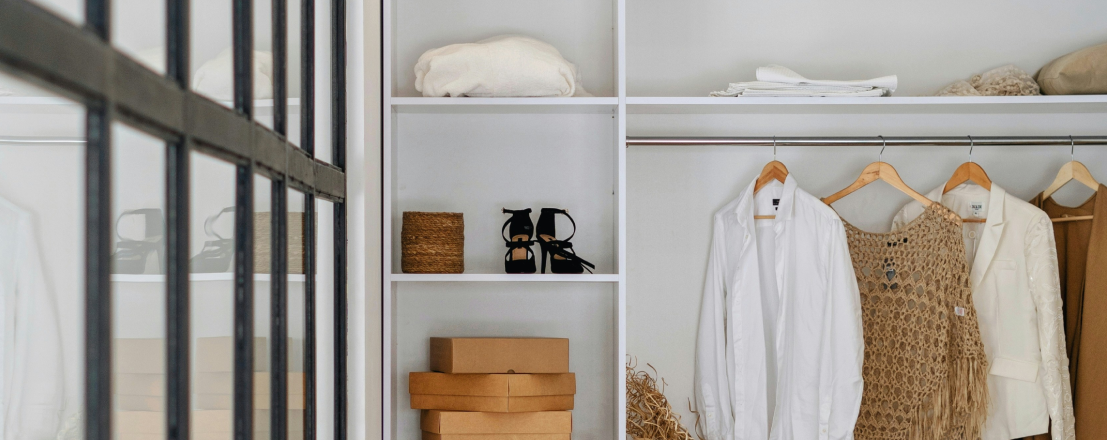
Winter boots and thick-soled shoes should be cleaned and stored in shoe boxes or dust bags. Insert shoe trees or stuff them with newspaper to help maintain their shape. Meanwhile, sandals, sneakers, and lighter footwear should be placed within easy reach.

7. Check for Moisture Control

Malta’s humidity can be a challenge when storing clothes. To protect your stored garments, place silica gel packets or moisture-absorbing sachets in your storage containers to prevent dampness and musty odors.

8. Freshen Up Your Wardrobe

Now that your summer wardrobe is out, give it a quick refresh. Air out your clothes, iron any wrinkled pieces, and do a quick quality check to see if anything needs repairs or replacing.

9. Plan for Seasonal Transitions

Malta’s weather can be unpredictable in spring, so keep a few lightweight jackets or long-sleeved tops within easy reach for breezy evenings. Layering pieces will help you comfortably transition into summer.

10. Make It a Habit

Seasonal wardrobe rotation doesn’t have to be a chore. By setting a schedule—such as twice a year in April and October—you can maintain a clutter-free and functional closet all year round.

With these simple storage tips, you can keep your wardrobe well-organised and ready for the season ahead. Enjoy the sunshine in style with a refreshed and easily accessible spring and summer wardrobe!

How to Store and Protect Your Car in the Garage Properly

Your car is one of your most valuable possessions, and keeping it in top condition requires more than just regular maintenance. Storing your car properly in the garage helps protect it from dust, heat, and everyday wear and tear, ensuring it stays in excellent shape. At GAP Homes, we have prepared this guide on how to keep your car well-protected in your garage all year round.

1. Keep Your Car Clean

Regularly washing your car helps prevent dust, dirt, and pollutants from damaging the paintwork. A quick rinse and wax will keep it looking fresh while protecting it from the elements.

2. Ensure Proper Ventilation

With Malta’s hot summers, garages can trap heat and humidity, which may lead to discomfort and potential damage to your car’s interior. Keep the garage well-ventilated by installing vents or using a fan to circulate air and reduce moisture.

3. Use a Car Cover for Extra Protection

Even indoors, dust can settle on your car’s surface, leading to micro-scratches. A breathable car cover provides protection from dust and sunlight while preventing heat buildup.

4. Check Tire Pressure Regularly

Tires naturally lose air over time, and fluctuating temperatures can affect their pressure. Check your tire pressure at least once a month to ensure they remain at the recommended levels for safety and fuel efficiency.

5. Maintain Your Battery

If your car isn’t used daily, its battery may weaken over time. Start your car regularly or take it for a short drive to keep the battery charged and in good working condition.

6. Check Fluid Levels Frequently

Regularly inspect engine oil, coolant, and brake fluid levels, especially during hot summer months. High temperatures can cause fluids to evaporate faster, so keeping them at the right levels ensures your car runs smoothly.

7. Cover the Exhaust and Air Vents When Not in Use for a Few Days

If you won’t be using your car for a few days, covering the exhaust pipe and air vents with a cloth or mesh can prevent dust buildup and deter insects from crawling inside.

8. Keep the Garage Clean and Organised

A cluttered garage increases the risk of objects falling onto your car. Store tools and other items on shelves or hooks to keep the space tidy and maximise parking space.

9. Start and Drive Your Car Regularly

Even if you don’t use your car daily, taking it for a short drive helps keep the engine in good condition, prevents the tires from developing flat spots, and circulates essential fluids.


By following these simple steps, you can ensure your car remains in great condition while stored in your garage. Storing your car properly not only extends the life of your vehicle but also keeps it looking and performing at its best all year round. At GAP Homes, we have a wide selection of garages for sale in Qawra. Reach out to our team to learn more today.

How to Design a Cohesive Space When You Love Different Styles

Designing a home that blends multiple styles can be a thrilling challenge—especially when your tastes range from sleek, contemporary designs to cosy, vintage touches. At GAP Homes, we understand that each home is as unique as its owner, and we believe your space should reflect your individuality while remaining cohesive. If you’re wondering how to create a harmonious home when you love a mix of design styles, here are some tips that can help you get it just right.

1. Start with a neutral foundation

When blending different styles, it’s essential to begin with a neutral foundation. Light tones like whites, beiges, or soft greys provide a calming backdrop that allows other elements of the room to shine. Whether you’re incorporating modern, rustic, or eclectic pieces, a neutral base helps create a unified space, ensuring that no one element overwhelms the room.

2. Be intentional with colour

One of the most powerful tools in creating a cohesive space is colour. Instead of using every colour that catches your eye, choose a well-thought-out palette. Select one or two accent colours to bring each style together, and use them consistently across your space. Whether it’s in your cushions, throws, or wall art, intentional use of colour creates harmony, even when different styles come into play.

3. Consider scale

Balancing the scale of your furniture and accessories is key to preventing your space from feeling too busy or mismatched. A mix of styles can work well if you consider the proportions of each piece. Don’t overcrowd a small room with oversized furniture, and be mindful of the space each element occupies. Combining large statement pieces with smaller, subtle accents can create a balanced, spacious feel.

4. Repeat shapes and patterns

Consistency in shapes and patterns can bring different styles together naturally. If you’re combining modern, minimalist furniture with more rustic or vintage elements, look for shapes that link the two. Repeating geometric shapes or patterns in different materials or sizes—such as circular mirrors, square tables, or striped textiles—helps establish a visual connection and ties everything together.

5. Update old furniture

If you have cherished pieces that no longer match your style, don’t be afraid to breathe new life into them. Upgrading old furniture with fresh upholstery or a new coat of paint can make a huge difference. This allows you to incorporate sentimental items into your updated space while maintaining the cohesive feel of your design.

6. Don’t get hung up on themes

Rather than focusing on strict themes, embrace a more organic approach. Let each piece tell its own story while ensuring they complement each other. This mindset frees you to combine contemporary designs with vintage or industrial elements without feeling restricted by one specific theme. The key is to let the furniture and decor work together to create a space that feels authentic to you.

7. Build around non-negotiable pieces

Every home has those items you simply can’t part with, whether they’re family heirlooms or a unique piece of art. These non-negotiable items should form the backbone of your design. Build around them and let them guide your choices for furniture, lighting, and accessories. When these pieces feel integrated with the rest of the room, the entire space will feel cohesive.

8. Incorporate blank space

Blank or open space is just as important as the furniture itself. This space allows the room to breathe and gives each element room to stand out. Don’t be afraid of having some empty space—sometimes less is more. Strategic blank areas create balance and prevent the room from feeling cluttered, which is crucial when incorporating a variety of design styles.

Creating your dream home with GAP Homes

At GAP Homes, we understand that your home is your sanctuary. Whether you prefer a blend of contemporary, traditional, or eclectic elements, we offer homes that provide the perfect backdrop for your design vision. With the right balance and a few thoughtful strategies, you can create a space that reflects your unique personality while remaining cohesive and harmonious.

The Importance of Lighting in Interior Design: Setting the Mood

When designing a home, one element often overlooked yet incredibly powerful is light. The right setup doesn’t just illuminate a space—it makes or breaks it. At GAP Homes, we believe this is key to creating a comfortable, functional, and stylish home. Here’s how it can shape your living experience and set the mood in every room.

1. Lighting Defines the Atmosphere

Lighting has the power to change the mood and energy of a space.

On one hand, warm, ambient lighting creates a cosy, inviting environment, perfect for living rooms and bedrooms, and on the other hand, bright and cool lighting is ideal for task-oriented spaces like kitchens and home offices, helping improve focus and productivity. By adjusting the intensity and warmth, you can set a different tone for every corner of your home.

2. Layered Lighting for Depth and Functionality

To get the most out of your interior design, adopt a layered approach:

  • Ambient Lighting: The general lighting that provides overall illumination such as ceiling lights.
  • Task Lighting: Focused light for specific activities like reading or cooking, such as desk lamps or under-cabinet lights.
  • Accent Lighting: Used to highlight key design elements such as artwork or architectural features such as spotlights.

Layering these types of lighting adds depth and versatility, allowing your home to be both functional and visually stunning.

3. Natural Light: The Ultimate Mood Booster

No artificial light can replace the benefits of natural light. Maximising sunlight in your home improves not only the aesthetic but also your well-being. Large windows, open spaces, and reflective surfaces can help bring in more sunlight, making your home feel brighter and more spacious. Mirrors are one of the most effective tools in enhancing natural light in your home. Strategically placed mirrors can reflect sunlight into darker corners, amplifying the brightness of a room. Whether it’s a large statement mirror in the living room or a small mirror in the hallway, these reflective surfaces create an illusion of a larger, airier space. 

4. Lighting as a Design Statement

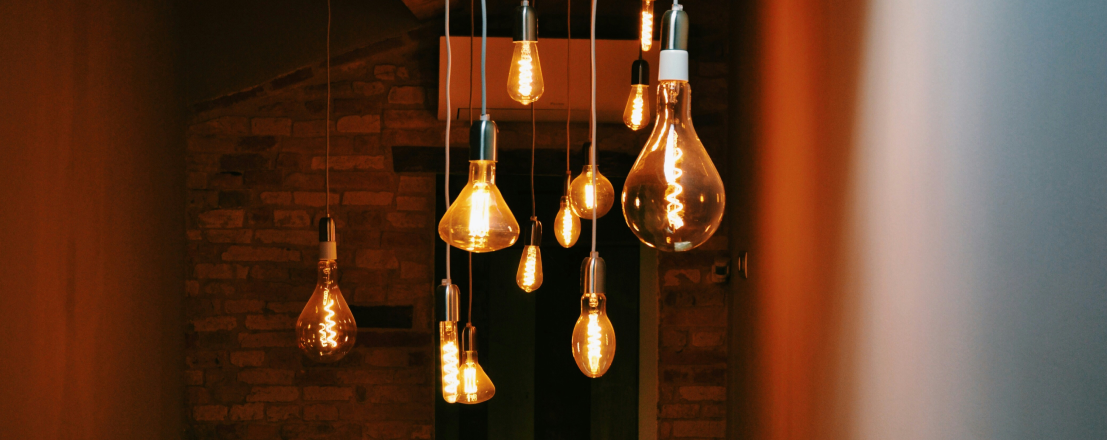
Fixtures aren’t just practical—they can also be bold design elements. Whether you choose an eye-catching chandelier, minimalist pendant lights, or vintage-inspired wall sconces, the right fixture can enhance the style of your home while reflecting your personality.

5. Energy Efficiency Matters

It’s also crucial to think about energy-efficient lighting solutions. LED lights offer a longer lifespan and consume less energy than traditional bulbs, helping you reduce your carbon footprint while keeping your home beautifully lit.

Lighting Your GAP Home

At GAP Homes, we design homes with ample light-filled spaces to help you create the atmosphere you desire. Whether you prefer a bright and modern aesthetic or a warm and cosy retreat, thoughtful choices can make all the difference. And just like lighting, colour plays a key role in shaping the mood of your home. Discover how different shades can enhance your space and influence your well-being in our blog on The Psychology of Colour: How Shades Affect Your Mood at Home.

Creating a Home Office You’ll Actually Enjoy Working In

The rise of remote work has transformed our living spaces into multifunctional hubs, where the boundaries between home and work often blur. A well-designed home office isn’t just about aesthetics; it’s about creating a space that inspires productivity, promotes comfort, and supports your well-being. Here’s how you can design a home office that you’ll actually enjoy working in.

1. Choose the Right Location

The first step in creating a functional home office is finding the right spot. Consider a space that offers plenty of natural light. Perhaps a space near a window to both enhance mood and also reduce eye strain. The ideal space would be quiet and private from the rest of the home. You might want to choose a location away from high-traffic areas to minimise distractions. 

Something often overlooked when making a home office is whether there is enough room for your desk, chair and other essentials without feeling cramped. If you don’t have a dedicated room, a well-defined corner in your living area can work wonders with the right setup.

2. Invest in Ergonomics

Comfort is key when you’re spending long hours at a desk. When considering creating a space for a home office, ensure you invest in a chair that supports your back and encourages good posture. Your desk should also allow your arms to rest at a 90-degree angle when typing and your monitor should be positioned at eye level to prevent next strain. Adding a footrest or standing desk converter can further enhance comfort and flexibility.

3. Optimise Lighting

Good lighting is crucial for a productive workspace. As mentioned above, while natural lighting is important to have, make sure to avoid direct glare on your screen. Having task-related lighting with adjustable brightness can provide focused light for reading and writing. To avoid creating a stressful environment, opt to use soft lighting to create a warm and inviting environment to work in.

4. Personalise Your Space

A personalised office can boost your motivation and make work more enjoyable. Consider adding decor which inspires you such as motivational quotes and family photos. Even choosing a certain colour palette that aligns with your work goals should be considered. For more information on the psychology of colour here.

5. Declutter and Organise

An organised workspace can enhance focus and reduce stress. 

Storage Solutions: Use shelves, drawers, and organizers to keep your desk clutter-free.

  • Cable Management: Hide wires with clips or cable organizers for a cleaner look.
  • Daily Reset: Spend a few minutes tidying up at the end of each workday.

6. Incorporate Technology Wisely

Equip your home office with tools that support your productivity. Ensure your Internet connection is reliable for virtual meetings and online tasks. Consider quality equipment such as a good keyboard and mouse, and noise cancelling headphones for a more comfortable experience.

7. Create Boundaries Between Work and Home

It can be very difficult to strike a healthy balance between work and home life. In order to maintain a work-life balance, we recommend defining particular hours of work and sticking to a schedule to avoid overworking. Having a dedicated workspace will allow you to separate working and relaxation zones. It could also be beneficial to have transition rituals such as a morning coffee or an evening walk, to signal the start and end of your workday.

8. Add Greenery

Plants not only improve air quality but also create a calming environment. Low-maintenance options like succulents, snake plants, or pothos are perfect for a home office.

9. Think Beyond the Desk

A great home office goes beyond a desk and chair. Enhance your space with a bulletin board for jotting down ideas or keeping track of tasks; a reading nook for brainstorming or taking breaks, and multifunctional furniture such as foldable desks or chairs that adapt to your needs.

10. Test and Adjust

Your needs may evolve, so don’t hesitate to tweak your setup. Experiment with different layouts, lighting, or seating arrangements to find what works best for you.

Creating a home office you’ll love working in doesn’t have to be daunting. With the right planning and thoughtful design, you can transform any space into a haven of productivity and comfort. Remember, your home office is an extension of your personal style and work ethic—make it uniquely yours! We encourage you to think of your home office when exploring our variety of properties to ensure your workspace meets your needs and prompts a healthy environment that boosts productivity and happiness too.