When people think about buying or designing a home, they often focus on location, size, or aesthetics. While these factors are important, there’s another aspect that’s often overlooked: how your home makes you feel.
The spaces we spend time in have a significant impact on our daily lives. From our mood and energy levels to our productivity and overall wellbeing, our environment shapes more than we may realise. Whether you’re working from home, raising a family, or simply looking for a place to unwind after a busy day, creating a home that supports your lifestyle can make a meaningful difference.
More than just four walls
A home is where we start and end each day, where we relax, connect with loved ones, and recharge. The design, layout, lighting, and atmosphere of a space all influence how we experience it.
Have you ever walked into a bright, airy room and instantly felt calmer? Or noticed how a cluttered, poorly lit space can leave you feeling distracted or overwhelmed? These reactions aren’t accidental. Our surroundings have a direct effect on how we think, feel, and function.
The power of natural light
One of the most important contributors to wellbeing in the home is natural light.
Light plays a key role in regulating our body’s natural rhythms, helping to support sleep quality, energy levels, and mood throughout the day.
Homes with large windows, open layouts, and access to natural sunlight often feel more uplifting and inviting.
Beyond the practical benefits, natural light can also make spaces feel larger, warmer, and more connected to the outdoors.
It’s one of the reasons why bright, light-filled homes remain so desirable among homeowners and buyers alike.
Creating spaces that reduce stress
Modern life can often feel busy and demanding. That’s why many people are prioritising homes that offer a sense of calm and balance. Design choices can have a surprisingly powerful effect on stress levels.
Elements that help create a more relaxing environment include:
- Neutral colour palettes
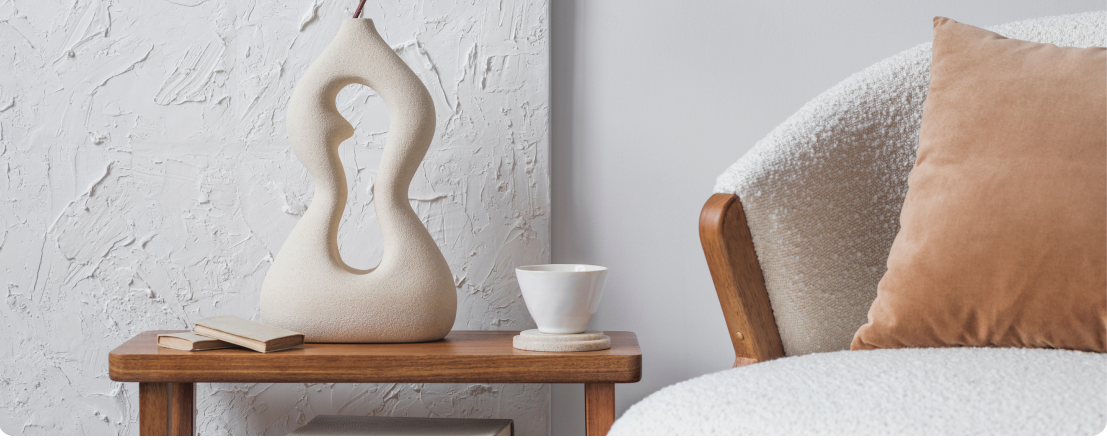
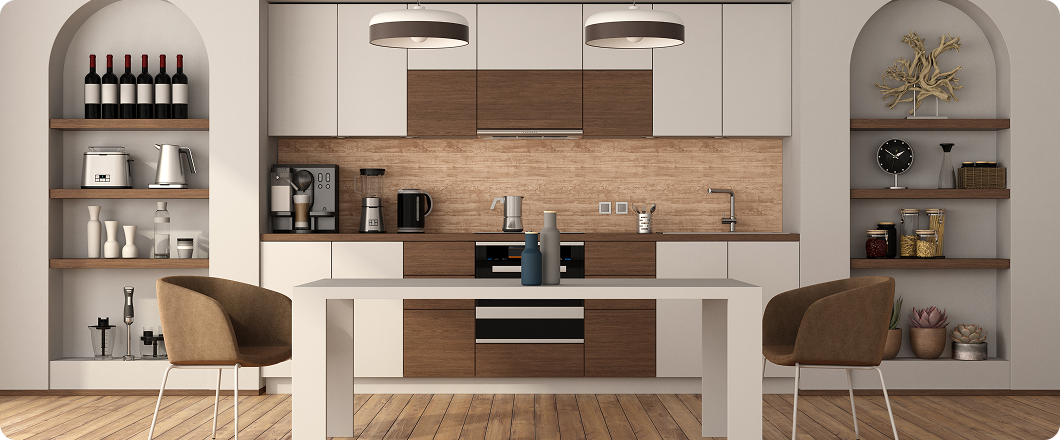
- Natural materials such as wood and stone
- Soft textures and fabrics
- Organised, clutter-free spaces
- Comfortable, functional layouts
These features encourage a sense of order and tranquillity, making it easier to unwind and recharge. A well-designed home doesn’t just look good, it supports your wellbeing on a daily basis.
How your home affects productivity
As remote and hybrid working continue to shape modern lifestyles, productivity has become an increasingly important consideration when choosing a home. A space that supports focus and concentration can improve both work performance and overall satisfaction.
Factors that contribute to a productive environment include:
- Good natural lighting
- Quiet areas for focused work
- Comfortable furniture
- Clear organisation and storage
- Flexible layouts that adapt to different needs
Even small adjustments, such as creating a dedicated workspace or reducing visual clutter, can make a noticeable difference.
The goal is not necessarily to create a formal office, but to design a home that allows you to work effectively while maintaining a healthy balance between productivity and relaxation.
The importance of connection and flow
The way a home is laid out also affects how we interact with it. Open-plan spaces have become increasingly popular because they create a greater sense of connection between different areas of the home.
Whether you’re spending time with family, entertaining guests, or simply moving through your daily routine, a well-considered layout can make everyday life feel easier and more enjoyable. Flow matters.
Spaces that feel intuitive and connected often create a greater sense of comfort and functionality.
Bringing nature into everyday living
A growing body of research suggests that spending time around nature can positively impact wellbeing.
While not everyone has access to large outdoor spaces, there are many ways to bring elements of nature into the home.
Consider:
- Indoor plants
- Natural materials and finishes
- Outdoor seating areas
- Large windows with views
- Spaces that encourage indoor-outdoor living
These features help create a stronger connection to the natural world and contribute to a calmer, more restorative environment.
Designing for the life you want to live
Perhaps the most important consideration is whether your home supports the lifestyle you want to lead.
Do you enjoy entertaining?
Do you work remotely?
Do you value quiet mornings and outdoor living?
Are you looking for more balance and less stress?
The answers to these questions should influence the spaces you choose and create. The most successful homes are not necessarily the largest or most luxurious. They are the ones that align with the needs, habits, and aspirations of the people who live in them.
Final thoughts
A home should do more than provide shelter. It should support your wellbeing, enhance your productivity, and contribute positively to your everyday life.
From natural light and thoughtful layouts to calming interiors and functional spaces, every design decision plays a role in how a home feels. Because ultimately, the best homes don’t just look beautiful. They help us feel our best too.