When designing a home, colour often gets most of the attention. We spend hours choosing the perfect paint shade, debating between warm and cool tones, and searching for a palette that reflects our personal style.
While colour can influence the mood of a space, it’s often texture that truly brings it to life. In modern interior design, particularly within the growing trends of quiet luxury and Mediterranean minimalism, texture has become one of the most important elements in creating a home that feels warm, inviting, and effortlessly sophisticated.
What Is Texture in Interior Design?
Texture refers to the way surfaces look and feel. It can be physical, such as natural stone, wood, linen, or woven materials, or visual, where different finishes create depth and contrast within a space.
Texture adds dimension. It prevents interiors from feeling flat and helps create a more layered, lived-in atmosphere. Without texture, even the most carefully selected colour palette can feel one-dimensional.
Why Modern Homes Are Moving Towards Texture
Many of today’s most desirable interiors rely on neutral colour palettes. Warm whites, soft beiges, taupes, and earthy tones have become increasingly popular because they create a sense of calm and timelessness. However, when a room is built around neutral colours, texture becomes essential.
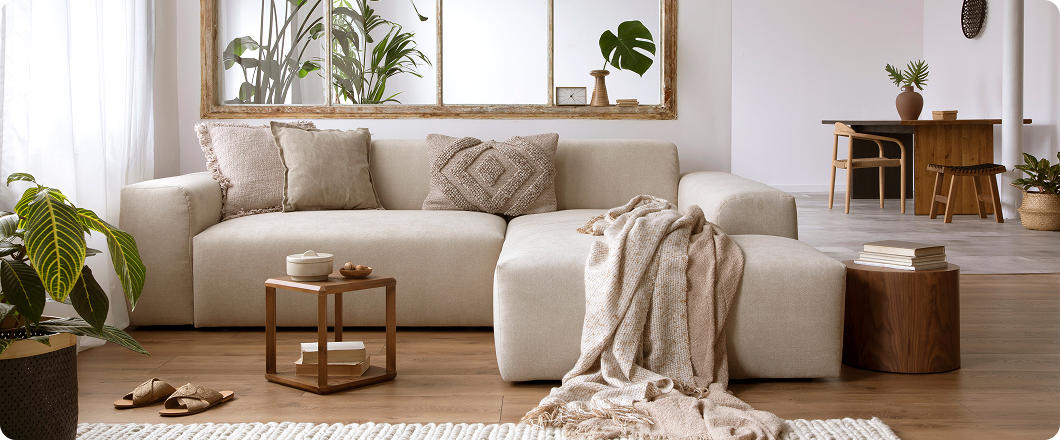
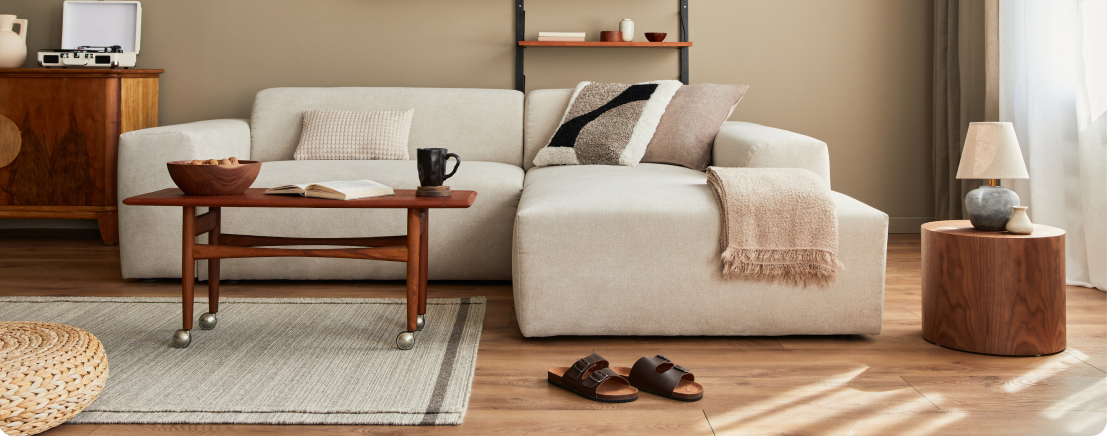
Rather than introducing interest through bold colours or patterns, designers use materials and finishes to create visual depth. A linen sofa, a textured rug, natural wood furniture, stone surfaces, and ceramic accessories all contribute to a richer, more engaging space. This approach creates interiors that feel elegant without being overwhelming.
Texture Creates Warmth
One of the biggest challenges in modern design is balancing minimalism with comfort. Clean lines and uncluttered spaces can sometimes feel cold if not carefully considered. Texture helps solve this problem by introducing warmth and softness.
Think about the difference between:
- A plain white room with smooth surfaces throughout
- A neutral room layered with linen, wood, textured fabrics, and natural stone
Both spaces may use the same colours, but one feels significantly more inviting. Texture adds personality and comfort without compromising simplicity.
The Mediterranean Approach
Mediterranean-inspired interiors have always understood the value of texture. Natural materials are central to the aesthetic:
- Limestone
- Travertine
- Timber
- Clay
- Linen
- Woven fibres
These materials create homes that feel connected to their surroundings while maintaining a relaxed and timeless appeal. Combined with natural light, they create spaces that feel effortlessly beautiful without relying on excessive decoration.
How to Add More Texture to Your Home
Introducing texture doesn’t require a complete redesign. Start with simple changes:
- Layer Different Materials
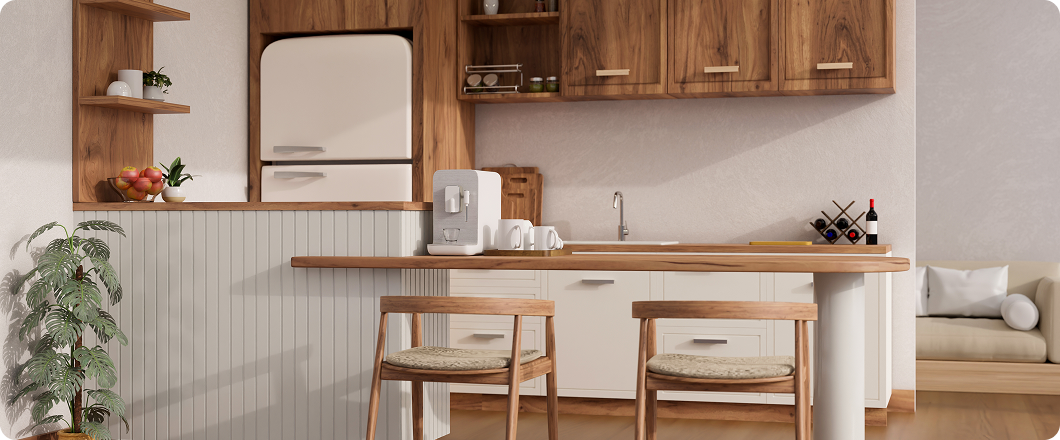
Combine wood, stone, fabric, and ceramics to create contrast and interest.
- Incorporate Natural Textiles
Linen curtains, woven rugs, and textured cushions instantly soften a space.
- Mix Finishes
Balance smooth surfaces with rougher, more organic materials.
- Focus on Quality Over Quantity
A few carefully chosen textured elements often have more impact than filling a room with decorative accessories.
- Let Natural Light Do the Work
Texture becomes even more noticeable when illuminated by natural light, creating shadows and depth throughout the day.
Texture and the Rise of Quiet Luxury
The growing popularity of quiet luxury has reinforced the importance of texture in modern homes. Rather than relying on obvious displays of luxury, this design philosophy focuses on craftsmanship, quality materials, and thoughtful details.
The most luxurious homes today aren’t necessarily the most colourful or elaborate. Instead, they feel calm, balanced, and beautifully layered. Texture plays a key role in achieving this effect.
Final Thoughts
While colour will always influence the overall mood of a room, texture is often what transforms a space from visually appealing to truly memorable.
It creates warmth, depth, and character. It makes neutral interiors feel rich rather than plain and helps modern homes feel welcoming rather than stark. The next time you’re thinking about refreshing your home, don’t just ask what colour to choose. Ask how you want the space to feel.
More often than not, the answer lies in texture.