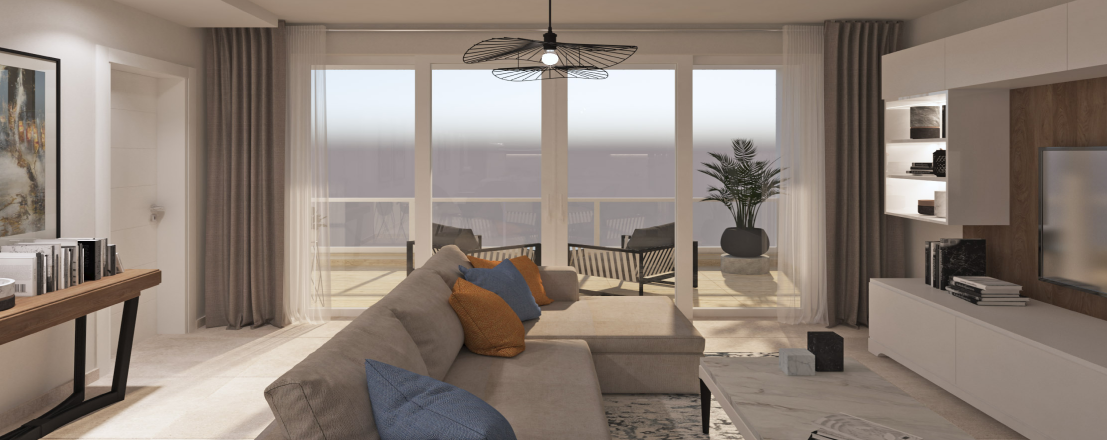
Questions First Time Buy-To-Let Buyers Need To Ask

Buying a buy-to-let property is a step in the right direction as it’s a lucrative investment providing regular income. It’s important to note that you would be investing both time and money into a buy-to-let property so it’s imperative to make sure that you’re prepared to take on this challenge.

The growing interest in foreign nationals wanting to settle down in Malta is incentivised by a number of things such as the Mediterranean lifestyle, career opportunities, the weather and last but not least the easy going islanders. This has contributed to a demand in property development and with more properties for sale on the market, one would assume a decrease in apartment rental prices however this has only strengthened this sector of the market.

How is Malta’s Property Market?

Malta’s property market has remained healthy even during the pandemic, this was an encouraging sign to buyers, sellers and landlords alike. As the financial returns they’ve received have fueled the construction industry boom.

The BIG ?

The big question mark on people’s minds is ‘Can I afford it?’ A lot of factors need to be taken into consideration therefore it’s advisable to speak to a financial advisor so they can advise you on the complexities of buying a property to rent out as well as any tax implications.

One must also take into account your liabilities, as a landlord you will be responsible for maintaining your property and making sure its safe for tenants to live in.

Where To Buy

Depending on what sort of tenant you’re looking to attract you need to think about the potential location they’d want to live in for their stay on the island. Therefore, it may help to create different prospective tenant personas in order to better understand your target market as well as your target location. Once you have researched this, it will be easier to decide whether the potential property you are going to purchase is a good rental investment.

Investment Yield

An often overlooked aspect of the investment yield is the cost needed in order to advertise that the property is available for rent or if you decide to use an estate agent to market the property. Whilst, doing so alone you’d need to consider the value of your time.

A pro tip to consider is that like any investment, property prices and rental incomes can differ month to month. Therefore, investing in providing a great service to tenants would increase the chances of them providing a good review as well as potentially keeping up touch and becoming repeat tenants

Pros & Cons

We’ve summarised a pros and cons list to have at hand when making your final decision.

Pros

  • Regular monthly income
  • Maximise capital through leverage
  • Lucrative Rental Market

Cons

  • Managing tenants can be tedious
  • Tenants could potentially damage the property
  • Reduced income from potential vacancies

In summary

As a first time buy-to-let investor there are a lot of things to consider and even more questions to be answered. If you’re looking for help with the process you should set up an appointment with us and we’d be happy to guide you through the process step by step.

If you’re curious to see what properties we have available at the moment have a look at our current developments page on our website. Have a look at our available properties here. 
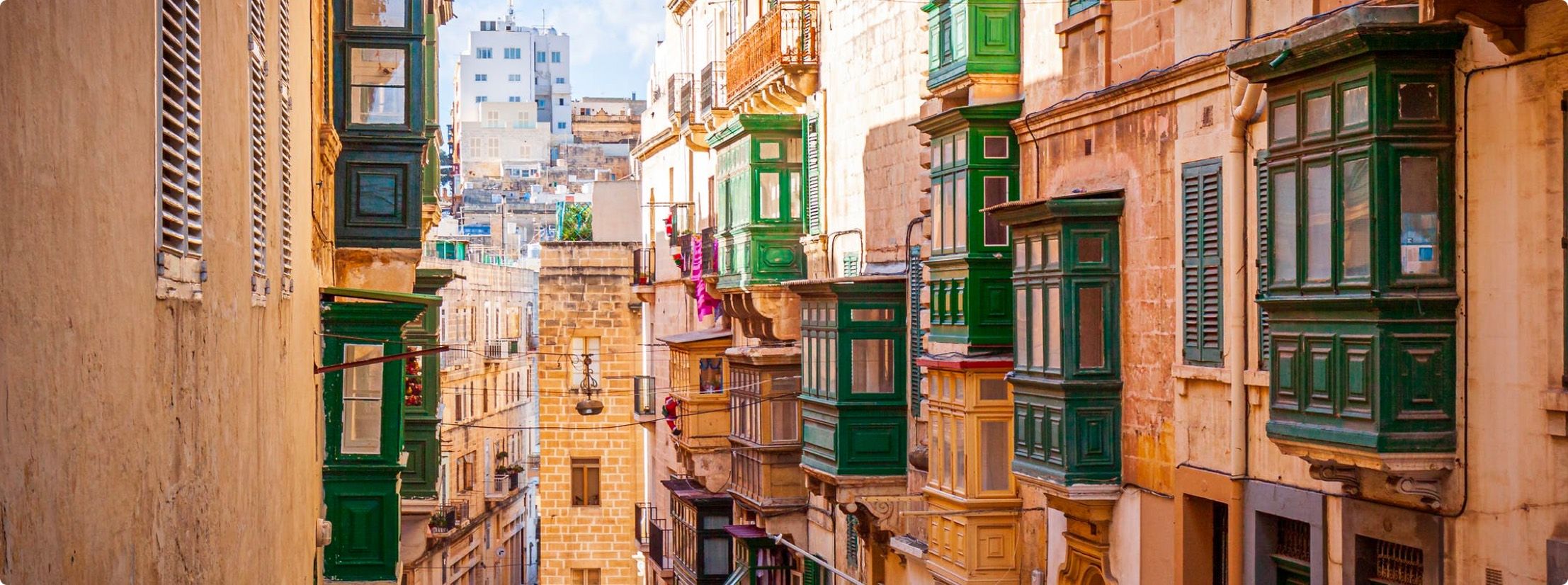
Why Buying a New Home in Malta Could Be Right for You

Although older homes tend to have character and charm, there are several pitfalls that people don’t necessarily consider before they purchase. These include the need for modernisation and renovation, maintenance work and possible problems with ensuring that all the paperwork pertaining to it are in order. This is why you should consider buying a new home in Malta.

There are numerous benefits to doing so, which we’ve outlined for you below. Here’s why we believe that buying a new home in Malta is the right decision for you:

Less Maintenance

Older homes in Malta tend to require much more maintenance than a brand-new home would. In fact, if you buy a brand-new home, you probably only need to worry about minimal maintenance work for the first few years of ownership.

Modern Conveniences

Is an en-suite bathroom a must? Perhaps you’re insistent on a built-in dishwasher, or having CCTV coverage and the ability to swipe yourself into your apartment block. A new home in Malta is much more likely to have most, if not all, of the modern conveniences that we’ve all become accustomed to.

Increased Energy Efficiency

New Homes in Malta are likely to have insulation in the walls and ceilings, as well as double-glazed windows. In some cases, it’s also possible to buy properties that have solar panels and solar water heaters for the best-possible energy efficiency. These energy savers are usually not part and parcel of an older home.

No Need for Renovation

An older home in Malta is likely to need substantial renovation work when purchasing it. This is generally the case as there are probably rooms to be brought up to modern standards, roofs to be repaired, plumbing to be changed and electrical wiring to be redone in order to make it habitable. This will not be the case when purchasing a brand-new home.  Another benefit would be that the layout of a new home can be altered to your taste. 

Everything is Brand-new

From the paint on the walls, to the fixtures and fittings in the bathroom, to the kitchen appliances, a brand new home is just that – brand new. That means that there’s likely absolutely nothing you have to do in order to move in to the place – except, perhaps, choosing the must have furnishings you’ve been eyeing!

Increased Affordability

As a result of all the above, a new home in Malta tends to be a whole lot more affordable than an older one, simply because there is much less to be done when moving into a new home, if anything at all.

GAP Homes – Homes For Today, and For Years to Come

At GAP Homes, we pride ourselves on our varied and high-quality portfolio of new properties that we have available for you to view. We are committed to helping you find that perfect place you can call home – both now, and well into the future.

Finding Your First Home on the Maltese Property Market

Searching for your first home on the Maltese property market can be a daunting prospect, but it really doesn’t have to be if you break down the process into small, manageable steps. Here’s how to get the ball rolling when buying your first home on the property market:

Check How Much You Can Borrow From a Bank

If you’re considering buying your first home, you’ll likely need financing to be able to cover the balance additional to your down-payment (deposit). You will need to provide proof of employment and declare what other monthly expense you have. The amount that you can borrow will be calculated on that basis.

Save Your Deposit

In Malta, the minimum down-payment you can make when purchasing your first home from the property market is 10% of the purchase price. The most popular and convenient method to save money for your down-payment is to create a special savings account and transfer a fixed amount of money into it every month. Other things you can do are skipping a vacation or two, lowering your current expenses to allow yourself to save more, or get a second job. Have a look at our saving tips by clicking here.

Decide What You Want Based On Your Budget

Consider what you actually want from the property you will eventually call your first home. Perhaps outdoor space is a priority, or maybe you need plenty of storage space. Depending on how big your budget is, you’ll likely have to compromise on one or more aspects of your first home. Think about what is most important for you to have, and what you can manage without.

Start Your House Hunt

There are plenty of places to search for properties in Malta, not least right here at GAP Group. In addition to numerous real estate agents, there are many Facebook groups and individual sellers that are geared towards the local property market. Truth be told, you’ll be spoilt for choice when house hunting in Malta!

Arrange Viewings

Create a list of five or 10 properties you found on the property market that you’re interested in seeing, and begin arranging viewings with the listing agent or owner. Be sure to take your time when viewing properties. Although you might walk into a property that you immediately fall in love with, or find an absolute bargain, it’s always a good idea to give yourself at least a little time to reflect on what you have been viewing.

Arrange Second Viewings

After you spend a little time reflecting on one or more properties you like, go ahead and arrange second viewings. Try an approach a second viewing from a more critical perspective so that you can spot any things not to your liking that you might not have noticed when you first viewed the property. If you’re going for second viewings at multiple properties, compare and contrast your findings to determine which property is going to be your first home in Malta.

Reserve Your Home

When you’ve made up your mind on the property you want, it’s time to put in an offer. You make the offer to either the owner, developer or to the real estate agent who negotiates on your behalf (if you’re using one). It’s commonplace to place an offer on a property that’s no more than 10% less than the asking price, then negotiating from there. Once agreement is reached, the next step would be to sign a Promise of Sale agreement to reserve your first home.


Take a look at our current developments here and if you’d like to contact us feel free to do so.

Buying a Property in Malta: What is the Process?

Buying a property in Malta is a fairly straightforward process that can be completed in a few simple steps. This guide will inform you about the exact steps you need to take when you buy a property in Malta:

Check with a Local Bank about Financing

The first thing you should do is check with a local bank to determine the authorised loan amount that you can obtain. If you find terms that are agreeable to you and the bank gives you the go-ahead, you can begin your search. Should you be a cash buyer, you can naturally skip this step.

Find a Property in Malta

The Maltese property market always has plenty of different kinds of property on offer. The biggest challenge you’ll have is finding something you really want based on the authorised loan amount the bank has chosen to lend you. When you find something you like, make the seller an offer, and if the offer is accepted, you’ll want to sign a Promise of Sale agreement (more about that later) in the presence of a notary.

For more guidance, read our article about questions you should ask when buying a property in Malta.

Find a Notary in Malta

There are many reputable notaries in Malta that would be more than happy to assist you with the purchasing process. You need to visit a notary to define the terms of the agreement you will enter into with the seller, such as the length of the Promise of Sale and subject to bank finance on the property.

Promise of Sale Agreement

A Promise of Sale agreement is an agreement signed between the buyer and seller that is designed to protect both parties in the transaction – the buyer is protected because the seller is bound to sell the property only to them, whereas the seller is protected because the buyer is bound to not back out of the transaction.

The minimum term for a Promise of Sale agreement is three to four months. One of the key terms in this agreement, if applicable to your particular case, is that the sale is subject to you obtaining a bank loan.

It normally takes a bank a minimum of eight weeks to approve a loan and issue the associated sanction letter. A Promise of Sale agreement can be extended if both parties involved in the transaction agree to do so.

Notarial Expenses

When signing a Promise of Sale agreement, you are required to pay a deposit of 10% of the value of the purchase price. This is usually payable by cheque, which is held by your notary of choice until you sign the final contract, or until the sanction letter is issued. Should the sale fall through for any reason at law, the deposit will be paid back directly to you.

You will also have to pay a notarial fee (which is set out by law) and administration expenses. This payment is usually made at the end of the purchase process. Bear in mind that when all is said and done, this expense can amount to a few thousand euros. Please refer to notarial fee guidelines for further information, however you can also check how much these fees would be on your property in Malta.

The Promise of Sale is signed. Now what?

During the period that the Promise of Sale of agreement is in force, your notary will conduct searches on the property. These searches are done to ensure that the current seller is actually authorised to sell it and there is no outstanding debt on it.

You should also seek to take out a life insurance policy to cover the value and contents of the property you’re about to buy. This is a requirement requested by the bank for purchasing a property in Malta, however the bank that you take out a loan with (if you are doing so) will usually have its own life insurance provider to recommend to you.

Although it isn’t absolutely necessary, it’s a very good idea to employ an architect to check the property over to ensure everything is built according to Planning Authority approved permits.

Bank Confirms Loan and Issues Sanction Letter

If all of the above goes smoothly, then your bank will notify you that it is issuing the loan for your property in Malta, together with a document containing the terms and conditions of the loan, which is known as a sanction letter.

When you have this letter in your possession, hand it to the notary to prepare for the final contract. This usually takes place in the presence of a legal representative of the bank issuing the loan (if you’re taking one out), the notary, the buyer, seller and real estate agent.

Congratulations! You’re a Homeowner

It’s now time to consider the interior and exterior spaces of your new property in Malta. Did you buy something furnished? Is it brand new and needs your own personal touch? Do any refurbishments need to be carried out?

You’ll also be looking at moving your possessions into the property. Depending on how much stuff you have, it might be worth thinking about which moving company you’re going to entrust!


Take a look at our current developments here and if you’d like to contact us feel free to do so.

7 Mistakes to Avoid For First Time Buyers

The world of first time buyers is an exciting one – making the commitment to purchase a home, and having the means to do it, is a truly wonderful place to be in. With that being said, there are pitfalls to be avoided. Here are 7 mistakes first time buyers should avoid:

1. Failing to sort your finances out

First time buyers should make an effort to reduce their expenses, because if a bank thinks they’re too large, this will likely cause problems for you when it comes to them receiving the financing they need. Ensure that you earn enough money to cover your regular monthly expenses, and be able to afford a mortgage payment on top of them.

2. Looking for a property which does not match your budget

Establish what your budget is based on what you can realistically afford, then you can go property hunting. Try and stick to asking prices within €10,000- €20,000 of your budget – look for properties that are priced too low, and you won’t be getting all that you want or can for you money. Look for properties that are priced too high, and you simply won’t be able to afford them, setting yourself up for disappointment.

3. Overlooking extra costs such as taxes and notary fees

Just as everyone else is, first time buyers are liable to pay stamp duty on the transaction they make with the seller, and there are also notary fees to pay, among other small expenses. Note that these costs can run into a few thousand Euro, so make sure that you check how much these expenses are going to be, and that you have accounted for them when you come to put pen to paper on a property

4. Ignoring or failing to pay attention to property problems

It’s not uncommon for first time buyers to become so enamoured by a property for whatever reason that they become blindsided and fail to see the reality of what they are looking at. That’s why it’s always a good idea to take someone with you when viewing a property – to give you an objective perspective and make you consider its flaws or defects rationally rather than emotionally.

5. Failing to obtain all the required documents

After you’ve signed a Promise of Sale agreement, you are required to obtain certain documents and give them to the relevant parties involved in facilitating the sale of a property to you. An example of this is the sanction letter issued by your bank. It is up to you to have all the required documents in place before you come to sign the final contract, otherwise it could jeopardise the sale going through.

6. Failing to engage an architect to inspect the property

Although we suggested that you bring someone you trust with you when viewing a property, it is also a very wise idea to employ a professional architect to check over the property you’re about to buy to determine whether there are any structural problems. This will prevent you getting involved in some unforeseen disaster later down the line. Make any written agreement on a property subject to an architect’s report, and if there are serious problems, just walk away.

7. Having unrealistic expectations

Many first time buyers make the mistake of having unrealistic expectations. Think of realistic expectations as being which kind of property you can afford in the area that you really want to live in. Also allow yourself to be a little flexible on location so that you can potentially get more for your money.

GAP Homes – helping you through the process

GAP Homes is here to assist first time buyers with the process of finding and acquiring your home, every step of the way. We would be happy to help you find the perfect place.

6 Practical Tips When Saving for a House in Malta

Buying a house is one of the biggest financial outlays you’ll ever make, so it’s understandable that some might find it daunting. The thing is, it really doesn’t have to be – it’s as easy as making a few temporary tweaks to your lifestyle so that you can allow yourself to save for a deposit. Here are 6 practical tips when saving for a house in Malta:

1. Build a Better Budget

Sit down with your bank and repayment statements and figure out where most of your money is going each month. If you don’t know where your money’s going, it’s almost impossible to begin putting money towards a deposit. Consider which expenses are essential, and which are non-essential. A budgeting app is a great way to help you automate this process if you find the prospect of calculating your expenses yourself just a little too daunting. When you categorise your expenses, look at where you can do some cutting back, but be realistic with yourself in terms of how much you can cut back on various things.

2. Consider Downsizing

“Downsizing” doesn’t necessarily have to mean downsizing your living space – it’s actually the process of reducing your expenses and living below your means while you are saving for your deposit. Perhaps you drive a car that’s expensive to run and maintain, or are spending far too much money renting your current apartment. Consider moving somewhere cheaper for a while, or trading in your car for something a little less fancy, but a little more sensible.

3. Reduce or Cut Out a Bad Habit

Do you have a bad habit that you could you potentially break? Regardless of whether you’re an impulse buyer, a little too fond of buying takeaways for dinner or would just like to quit smoking, you could potentially save hundreds of euros for a house in Malta every year by cutting out a single bad habit. The money that you’d be saving can then be used towards buying a house in Malta.

4. Consider Skipping Your Next Holiday

There’s no denying that exploring new places can be amazing, or that many of us are currently itching to get away and have some fun as soon as we can, but doing so can also cost quite a big chunk of money. Think about making a compromise when it comes to your next holiday – you could save a couple of thousand euros by just doing that. This money can then be used to buy your future home. Take an extended trip (just a suggestion) to Gozo instead!

5. Start A Side Hustle

In this day and age, it isn’t difficult to earn money with a “side hustle”. Perhaps you can take on some freelance work that you can do at home, or drive for a ridesharing company. It could be anything you like – just make sure you contribute the money you earn for your side-hustle to saving up for a house in Malta.

6. Rent Out Your Spare Room

If you current living arrangement allows you to rent out an extra bedroom in your house or apartment, you might want to consider online hospitality websites such as Airbnb. You only have to rent out the extra bedroom as and when it’s convenient for you to do so.


If you’re ready to start searching for your next home, take a look at our current developments here and if you’d like to contact us feel free to do so.