The way a space feels, sounds, smells and even tastes can influence the atmosphere of your home and the way you experience it every day. When designing a home, we naturally focus on colours, furniture and finishes.
By considering all five senses, it’s possible to create a space that feels more welcoming, comfortable and personal, a home that you genuinely experience.
Sight
Creating an atmosphere through light and colour
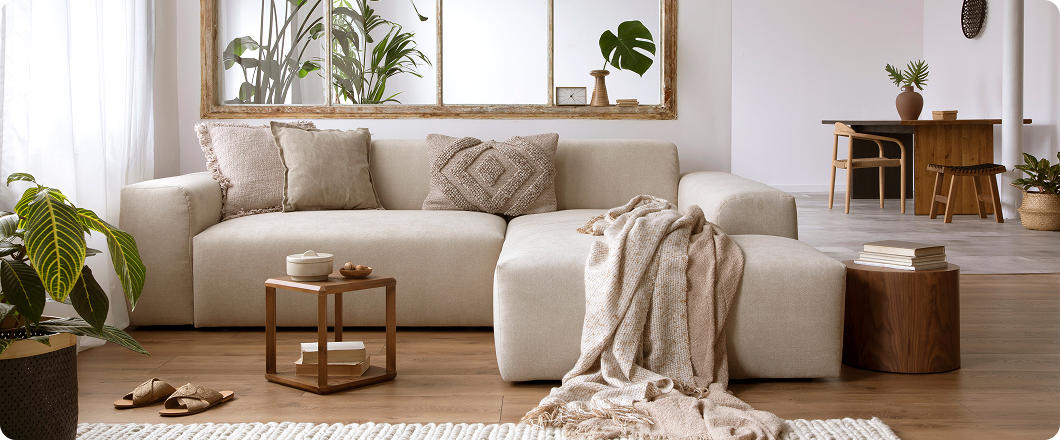
Visual design is often where we start, and for good reason. Natural light, colour and the way furniture is arranged can completely influence the character of a room.
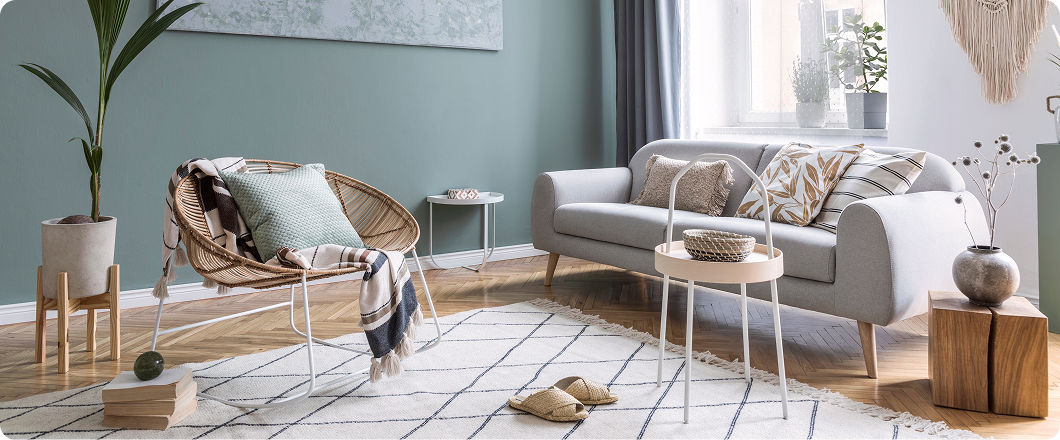
Natural light can make a home feel bright and open, while warm, layered lighting can create a more intimate atmosphere in the evening. Neutral tones can provide a calm foundation, while artwork, plants or carefully chosen accessories can introduce personality. Rather than following every interior trend, think about how you want your home to feel when you walk through the door.
Sound
Creating a sense of calm
Sound is often overlooked when designing a home, yet it can have a significant impact on the atmosphere. Soft furnishings such as rugs, curtains and upholstered furniture can add warmth while helping to soften sound within a room. In an open-plan home, thoughtful furniture placement can also help create distinct areas while maintaining a sense of connection.
And sometimes, the most enjoyable sound is simply the one coming from outside, an open window, birds in the morning or the gentle rhythm of the sea.
Smell
The scent of home
Certain scents can instantly make a space feel familiar. Fresh flowers, freshly baked food, coffee in the morning or a subtle candle in the evening can all become part of the sensory identity of a home. Natural scents such as citrus, lavender, eucalyptus or herbs can create a fresh atmosphere, while warmer scents such as vanilla, cedar or sandalwood can make living spaces feel especially inviting.
Over time, these scents can become associated with particular moments and memories, making them an understated but meaningful part of the home.
Touch
Adding texture and comfort
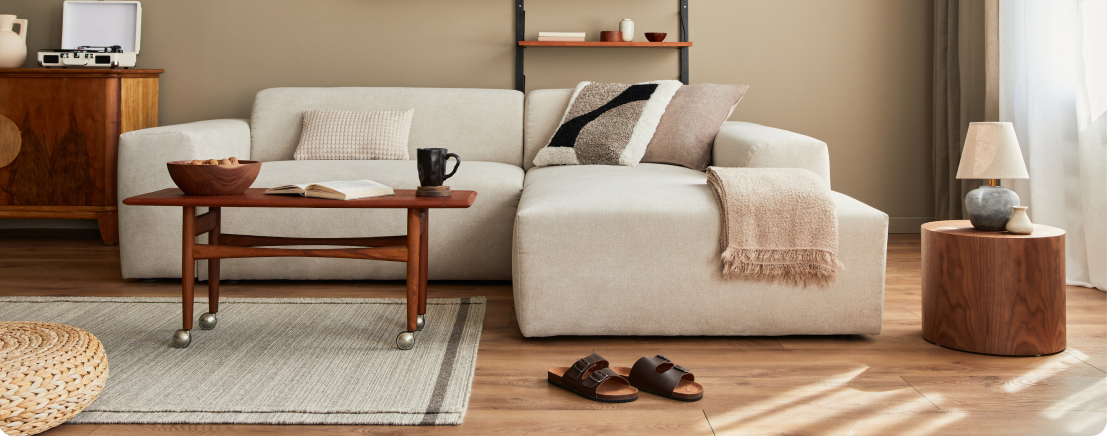
Texture brings depth to an interior. Think soft linen curtains, natural wood, smooth stone, woven baskets, plush cushions and comfortable fabrics.
Combining different textures can make a modern interior feel warm and lived-in. It’s also an opportunity to choose materials that feel good as well as look good, because the details we interact with every day contribute to our overall experience of a space.
Taste
Designing around everyday moments
Taste may seem like the most unexpected sense to consider when designing a home, but the kitchen and dining areas are naturally central to it.
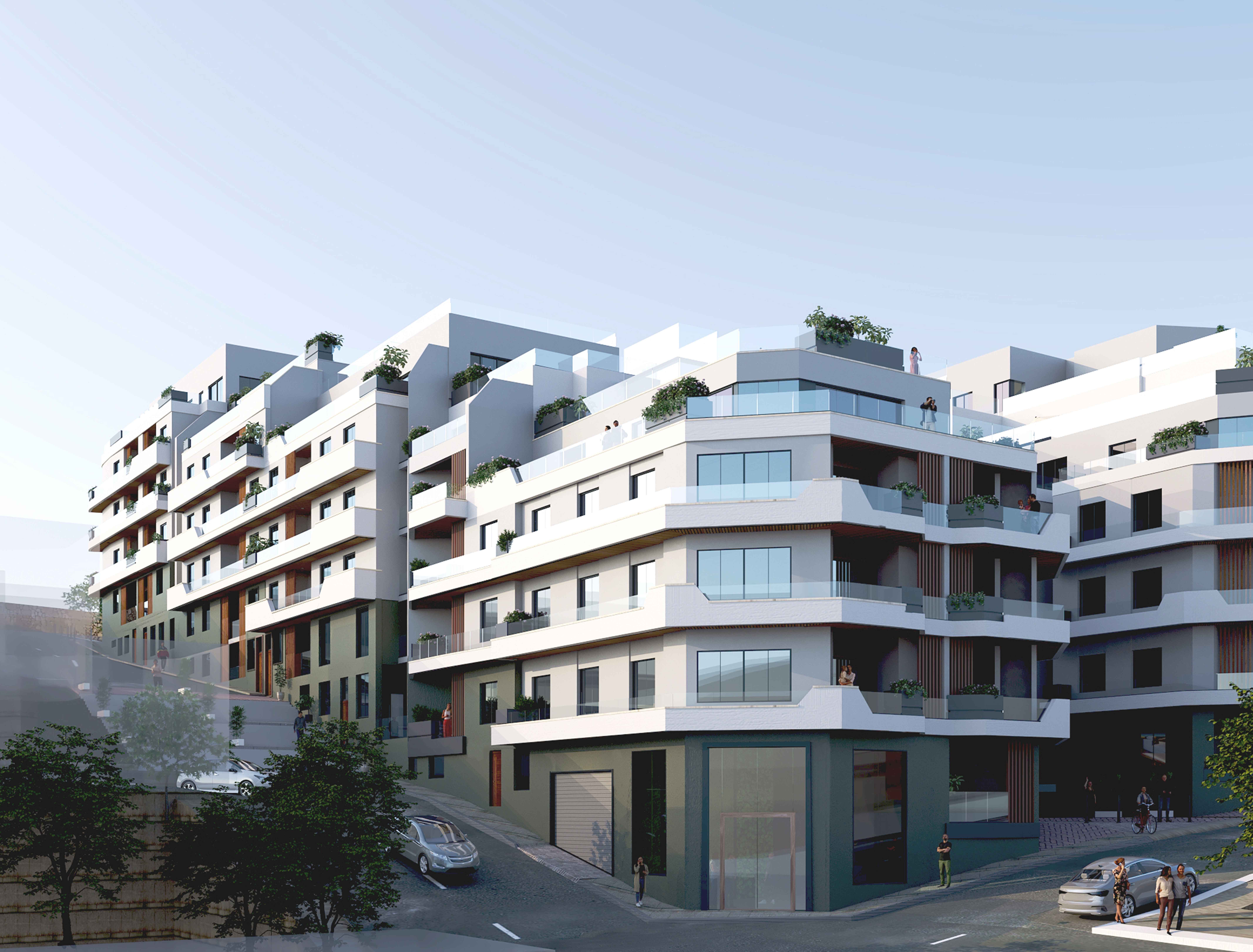
A thoughtfully designed kitchen can encourage everything from a quiet morning coffee to cooking with friends and long family dinners. In an open-plan home, the connection between the kitchen, dining and living areas can make preparing food a social experience rather than something separate from the rest of the home.
Creating a home that feels like you
The best interiors bring all five senses together naturally. Light creates the mood, textures add comfort, sounds create atmosphere, scents create familiarity and food brings people together.
Ultimately, designing a home isn’t simply about creating something beautiful to look at. It’s about creating an environment that supports the way you live and the moments you want to experience there. Because the homes we remember most aren’t necessarily the ones that looked perfect; they’re the ones that felt like home.