A home can have beautiful furniture and quality finishes, but it’s often the smaller details that give a space its personality. Layering is one of the simplest ways to create an interior that feels considered, comfortable and lived in, bringing together different colours, textures, lighting and decorative elements to create depth.
Rather than thinking about decorating a room all at once, layering allows you to build it gradually, adding elements that complement one another and reflect your personal style.
Start with your foundation
Every well-layered room starts with a strong foundation. This could be your flooring, walls, main furniture pieces or overall colour palette.
Neutral tones are particularly versatile because they provide a calm backdrop for introducing texture and personality. Soft whites, warm beiges, natural wood and earthy shades can create a timeless base, while smaller decorative pieces can introduce colour and character.
The key is to create a foundation that gives you flexibility as your style evolves.
Bring in different textures
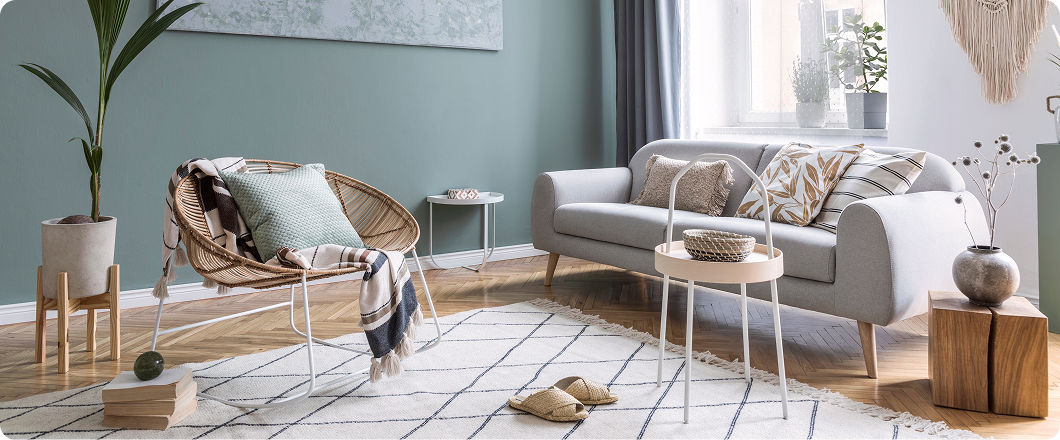
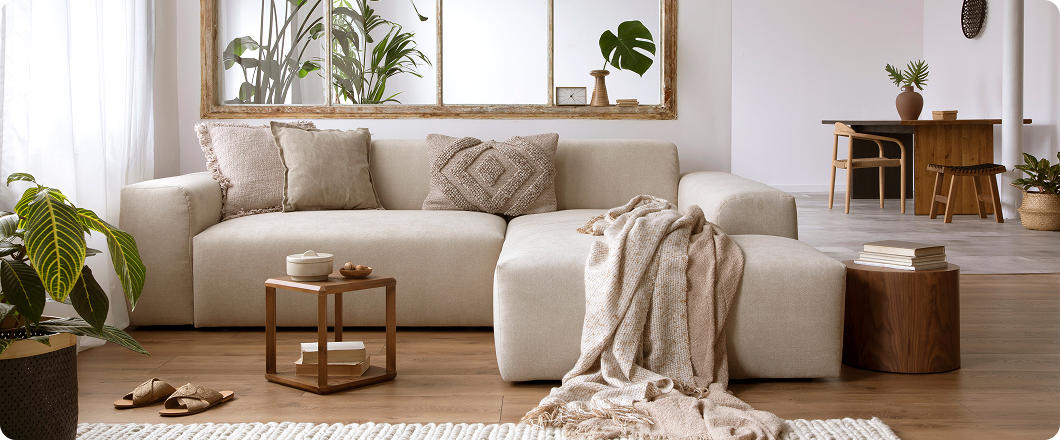
Texture is what makes a room feel inviting. Combining materials with different finishes adds depth and creates visual interest, even when working with a relatively simple colour palette.
Think linen curtains alongside a textured rug, a wooden coffee table with ceramic accessories, or soft cushions against a structured sofa. Natural materials such as wood, stone, rattan and cotton can also bring warmth into contemporary interiors.
You don’t need to use lots of different textures. A few thoughtfully chosen combinations can make a significant difference.
Layer your lighting
Lighting is another essential part of creating an atmosphere. Rather than relying on one central light source, consider how different types of lighting can work together.
Pendant lights can define a dining or kitchen area, floor lamps can create a cosy reading corner, while table lamps and accent lighting can add warmth during the evening. Natural light should also be considered as part of the overall design, particularly in bright, open-plan homes.
Being able to adjust the lighting throughout the day allows the atmosphere of a room to evolve with you.
Add personality through accessories
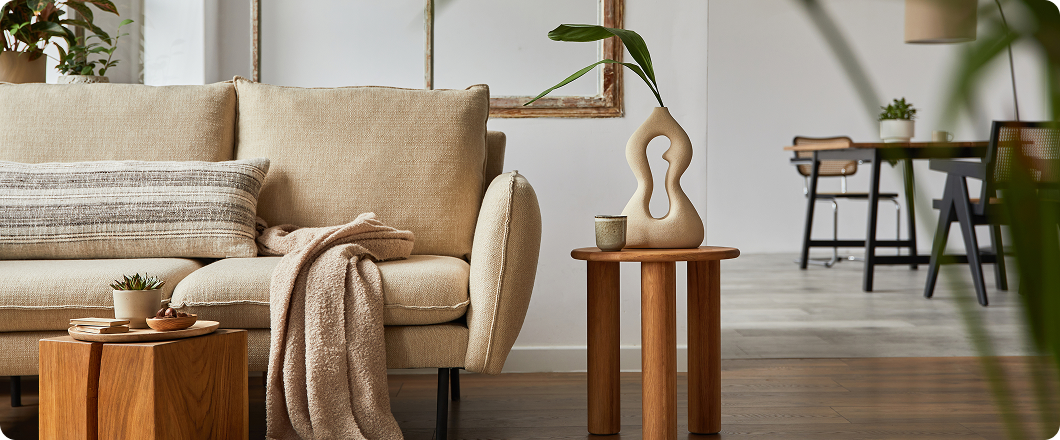
This is where a house really starts to feel like home. Artwork, books, photographs, plants, ceramics and objects collected over time can all add personality.
Instead of filling every surface, choose pieces that mean something to you or complement the overall aesthetic. A statement artwork, a collection of books or a few carefully selected decorative objects can become focal points within a room.
Think about balance
Layering is ultimately about balance. Different elements should complement one another without competing for attention.
Varying heights, shapes and textures can create visual interest, while repeating certain colours or materials throughout the room helps everything feel connected. In an open-plan home, this is particularly useful for creating a cohesive look across the kitchen, dining and living areas.
The beauty of layering is that it doesn’t have to happen overnight. A home can evolve naturally as you discover pieces you love and develop your own style.
At the end of the day, the art of layering is about creating a space that feels warm, personal and complete, one detail at a time.